The Future of Retail: How AI Is Reshaping Customer Engagement
How AI-powered video analytics and personalization are transforming brick-and-mortar retail for Gen Z consumers with $12 trillion in projected spending by 2030.
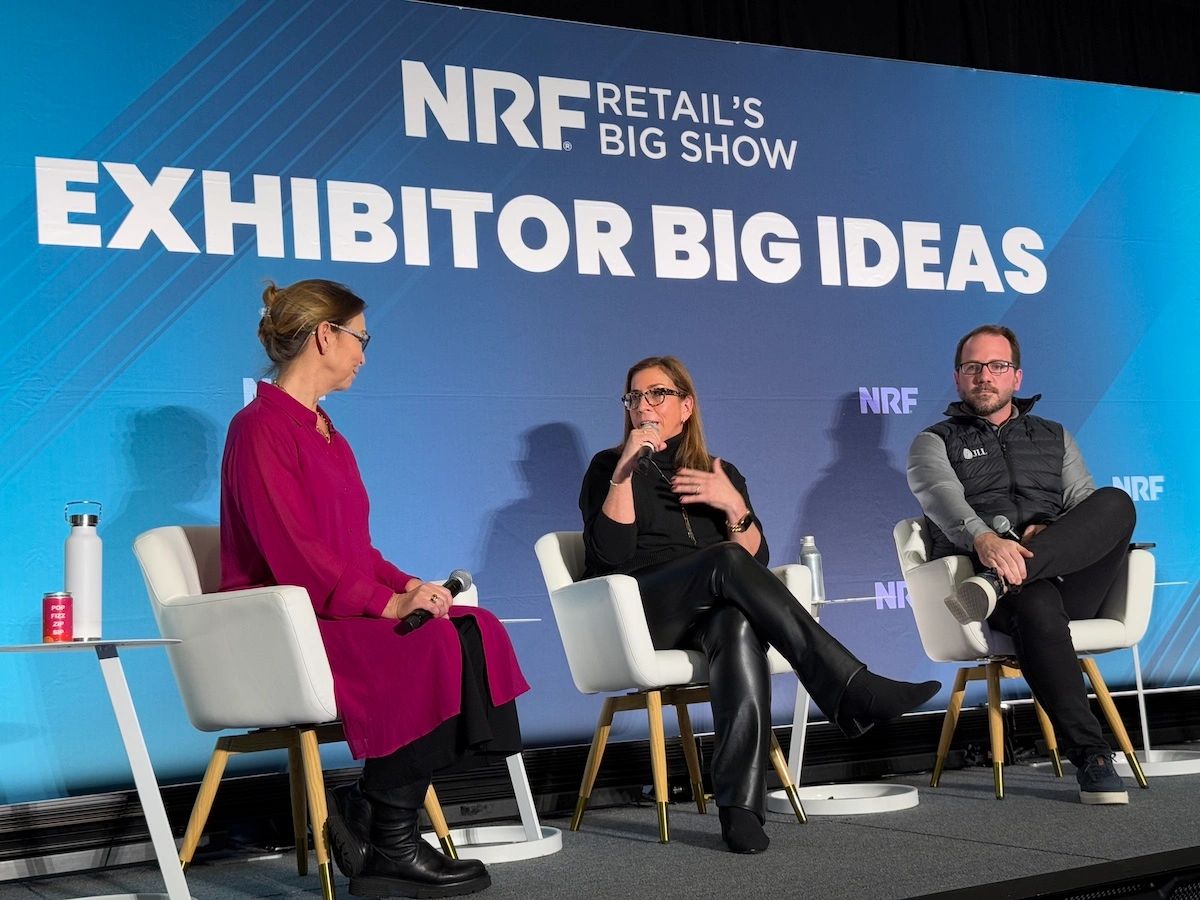
Last week I joined Karissa Price, Chief Customer Officer at DragonfruitAI, at the National Retail Federation 2025 Big Show for a panel discussion on Video AI’s transformative impact on retail, particularly for brick-and-mortar stores. As technology rapidly disrupts the industry, one of the biggest shifts I see is how Video AI is reshaping marketing strategies to meet the expectations of Gen Z consumers, whose spending power is projected to exceed $12 trillion by 2030. This technology is redefining how retail marketers engage with customers, especially younger Gen Z shoppers.
AI-Powered Customer Behavior Insights
AI-powered cameras allow brick-and-mortar operators to gain deeper insights into their customer’s in-store experience. Think of it like heatmaps on a radar, highlighting high-traffic zones, revealing patterns in customer movement, and identifying which products draw the most attention. This level of intelligence helps retailers make real-time, data-driven decisions.
With AI, retailers can track which store areas are the busiest and how product placement influences purchasing behavior. These insights help refine strategies to optimize store layout, improve efficiency and encourage customer engagement.
The result? A shopping experience that feels more intuitive and inviting, makes better use of retail space, improves the consumer journey, and ultimately drives higher conversions.
Personalized Marketing and Consumer Engagement
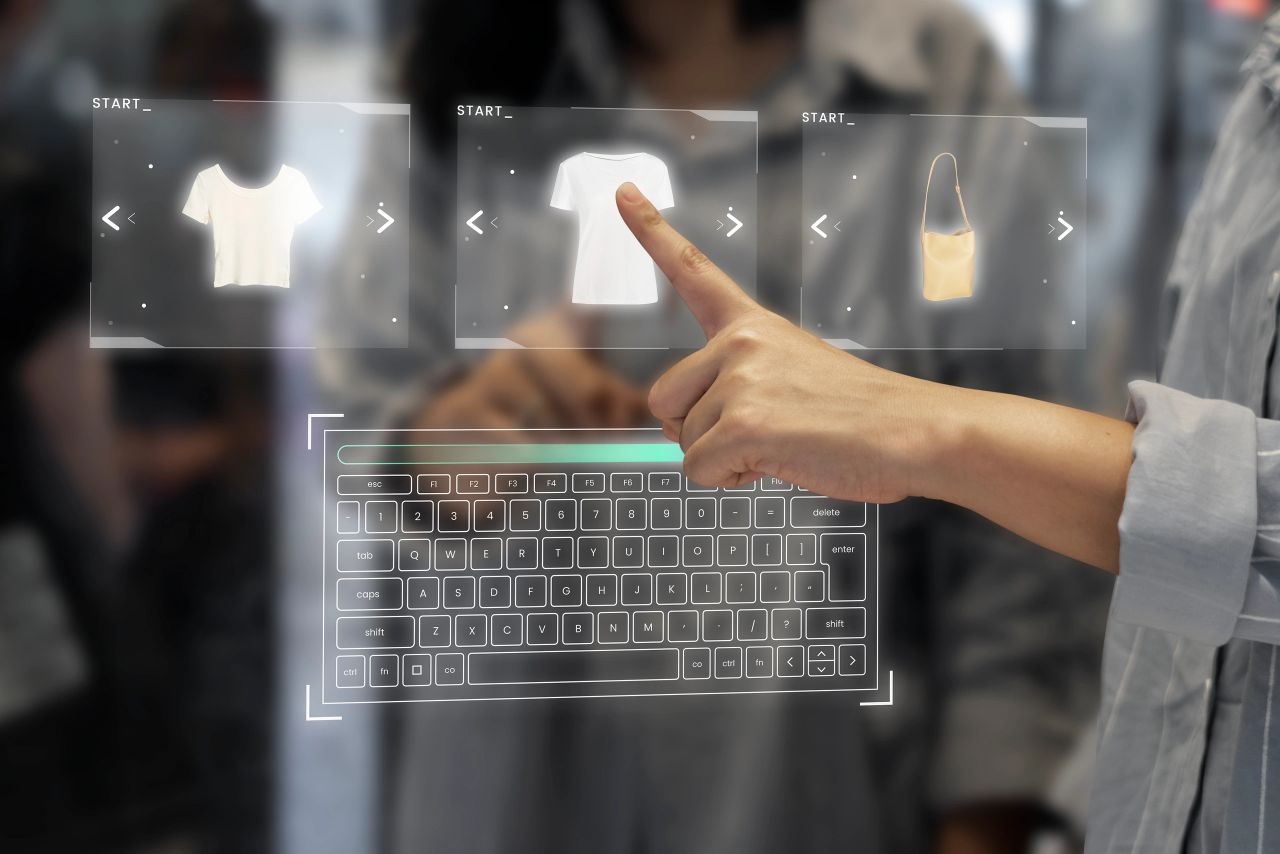
One-size-fits-all marketing no longer works. AI-driven marketing allows retailers to engage with customers in ways that feel personal and relevant. Using data like past purchases, online searches, and even products abandoned in carts, AI can determine a consumer’s product preferences, from their favorite brands and preferred styles to specific sizes. Think of it as one-to-one marketing at scale!
Some examples of how marketers successfully use this type of personalization today include:
- Special sales and promotions
- Product recommendations that understand nuanced preferences based on past purchases or online searches (e.g., “Try this sweater with these pants to get this look”)
- Culturally relevant marketing that acknowledges important celebrations
- Invitations to exclusive VIP experiences, such as flash sales at specific pop-up locations or access to limited-edition products
When done right, personalization goes from being a marketing tactic to creating a deeper connection with the customer. One important note: as with all marketing efforts, execution is critical. The right cadence and context ensure that messaging resonates positively and authentically with consumers.
Seamless, Omnichannel Shopping Experiences
Gen Z expects shopping to be seamless. Whether in-store or online, the experience needs to be intuitive and frictionless. A great example is Amazon Go, where customers signed into the app can grab a product and leave. The charge happens automatically, and they receive a receipt via email or text.
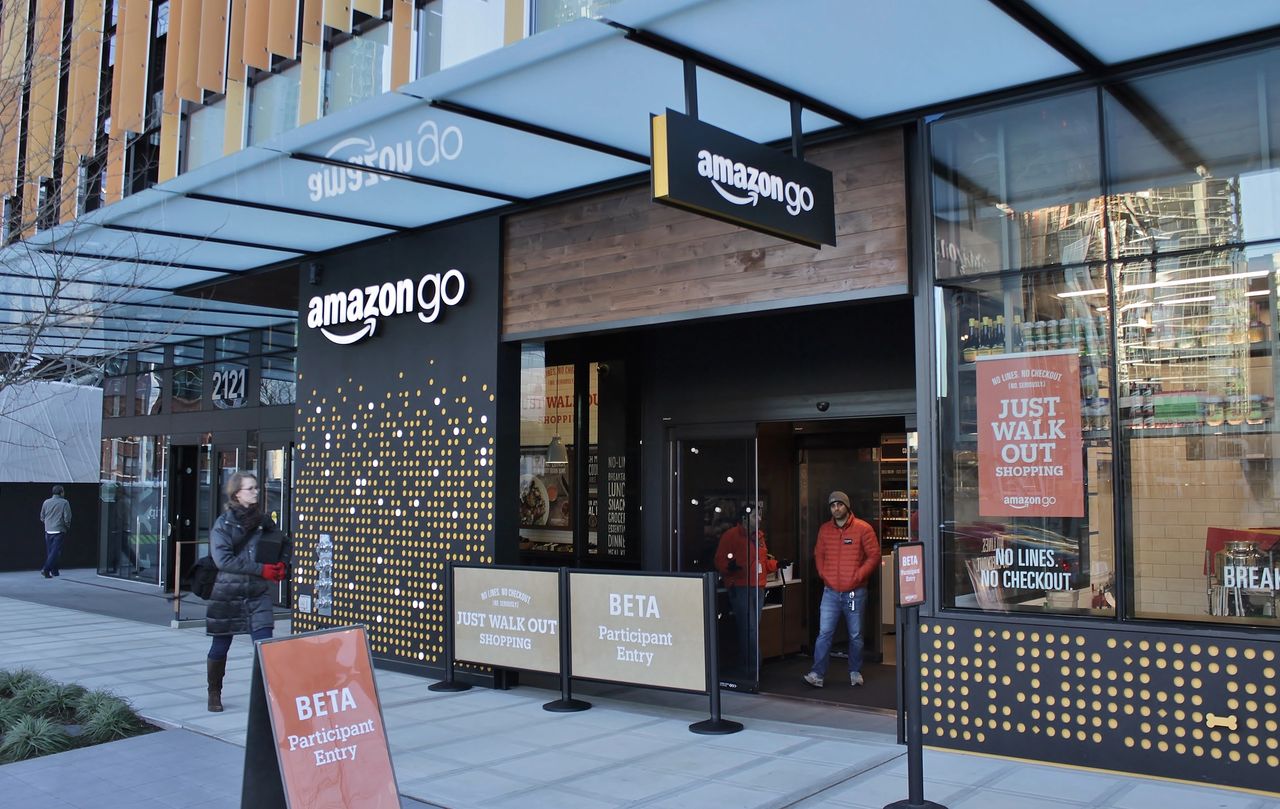
Retailers who aren’t prioritizing frictionless shopping are already behind. This is the future en masse: shopping experiences merging ease, speed, and efficiency. Consumers expect convenience.
Takeaways and Final Thoughts
- Consumer Data is the New Gold – A consumer’s digital fingerprint is where true personalization begins. AI enables retailers to move beyond generic demographics and market to individuals based on their unique digital behaviors.
- Gen Z’s Growing Spending Power – By 2030, Gen Z is projected to have $12 trillion in spending power.
- Retail Tech is Getting More Interactive – Brands are already using augmented reality (AR) tools to let customers “try before they buy.” Expect more retailers to integrate technology across both e-commerce and brick-and-mortar experiences.
AI is already redefining how brands engage with their customers, and we’re just getting started.
Related Reading
Gen Z Online Shopping Trends: 7 Behaviors Brands Need to Know
Share this post: