Future of Podcasting in 2030: Trends Brands Need To Watch
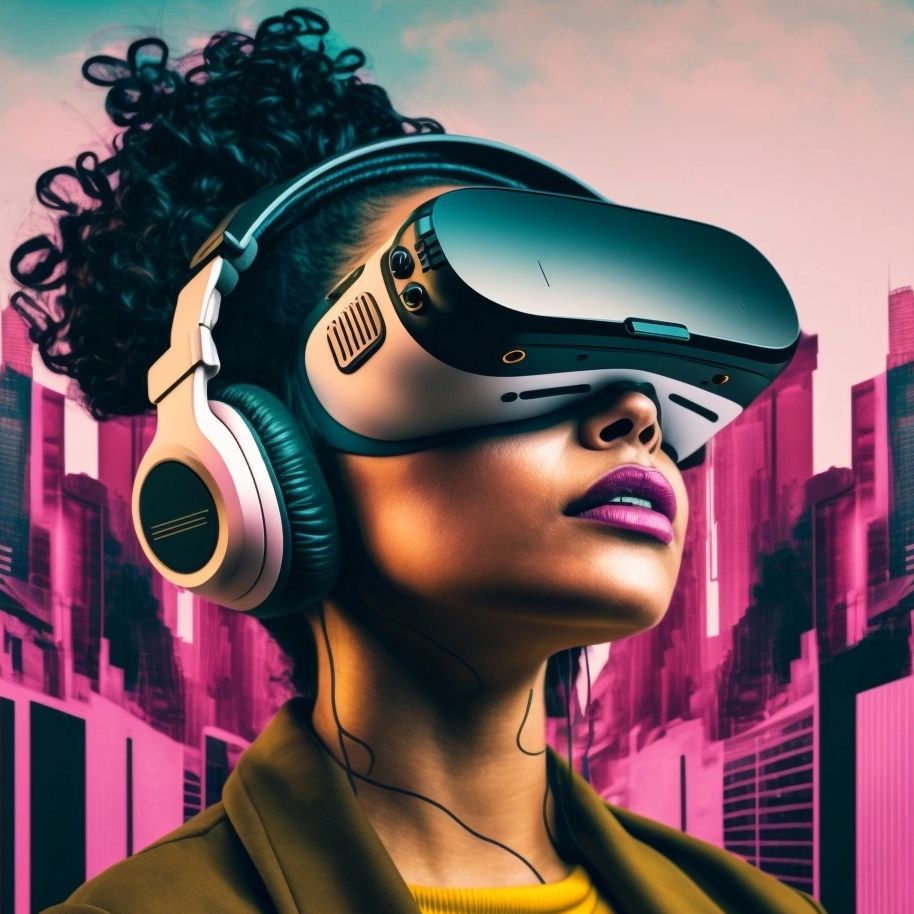
How is podcasting evolving by 2030? From AI-personalized feeds to video-first formats, niche shows will outperform mass-market content for brands.
Podcasting is fragmenting, specializing, and becoming more strategic for brands that understand how audiences now discover and consume audio. The real question is what shape that growth will take.
As we move toward 2030, media consumption will look very different from what it does today. Artificial intelligence, streaming behavior, and changing audience habits are already pushing every format to evolve. Podcasting is no exception. In fact, it may be one of the best-positioned mediums for what comes next.
I had the privilege of hosting two award-winning podcasts, the Apple-featured "Highly Relevant," and the Webby award-winning "Brown & Black," and it's allowed me to pay close attention to how audiences are changing. According to data from Edison Research, in 2022, 38% of Americans over the age of 12 reported listening to a podcast in the past month. They are building podcasts into their daily routines in ways that make the medium more personal, more flexible, and more durable than many people expected.
"I think we are about to see the evolution of podcasts and it is going to reimagine and revolutionize the world of entertainment," says Jackie Hernández, CEO of New Majority Ready, regarding a significant increase in listeners. "As AI and technology continue to develop, podcast content is going to add sight, sound, and motion, as well as the added plus of personalization.”
So what will the future of podcasting look like by 2030? No one can say for certain, but a few trends already feel clear:
Podcasts Will Get More Personal
Podcasting has always been intimate, but the next phase will push that even further. As AI tools improve, listeners will expect more personalized discovery, better recommendations, and content that feels increasingly tailored to their interests and habits.
That does not mean every show will become fully customized. It does mean the listening experience around the show will get smarter. Recommendation engines, dynamic playlists, and more responsive interfaces will make podcast listening feel less like searching through a library and more like having a curator in your pocket.
The Line Between Audio and Everything Else Will Blur
The future of podcasting is not audio only. We are already seeing the rise of video podcasts, multi-platform distribution, and podcast clips designed for social media. By 2030, the most effective podcast brands will likely think beyond a single feed.
Some shows will stay audio-first, but more creators will build podcast ecosystems around video, live streaming, short-form clips, community, and interactive experiences. For audiences, the podcast may become less of a single file and more of an expandable media format that travels across platforms.
Monetization Will Keep Evolving
One of the biggest questions in podcasting is still money. A small number of major shows generate real revenue through advertising, licensing, and subscriptions, but most podcasts still struggle to build sustainable business models.
That will likely change through a mix of approaches rather than one breakthrough answer. Subscriptions, memberships, branded partnerships, live events, premium communities, and possibly micropayments will all continue to be tested. The creators who win will pair good content with strong audience relationships and a clearer value exchange.
Niche Shows Will Keep Winning
Fit now matters as much as scale. Some of the most valuable shows in the future will be the most trusted ones within a specific audience, industry, or community.
That matters for brands. A podcast with a smaller but highly engaged audience can be more valuable than a larger one with looser loyalty. The future of podcasting will reward relevance over reach.
Podcasting Will Expand Beyond Entertainment
Podcasting will remain a source of entertainment, but its role in education, business, wellness, and professional development will keep growing. Audio remains one of the easiest ways to learn, reflect, and stay informed while doing something else.
That makes podcasting especially useful in a world where attention is fragmented and convenience matters. Whether in classrooms, workplaces, or specialized communities, podcasts will continue to grow as a format for knowledge, conversation, and trust.
The New Majority Takeaway
Whether audio survives is already settled. The real shift is in how podcasting expands, how it monetizes, and how it fits into a larger media ecosystem shaped by AI, on-demand behavior, and audience fragmentation.
For brands, creators, and media companies, the opportunity is to make smarter podcasts, build stronger communities around them, and understand where podcasting fits in the broader attention economy.
That is what will define the medium between now and 2030.
Related Reading
What Is New Majority Storytelling?
What If Bad Bunny Sweeps the 2026 Grammys?
Jack Rico is the Managing Partner of New Majority Ready, a cultural strategist and entertainment journalist (NBC, ABC, Univision) with over 20 years of experience studying how multicultural audiences reshape the mainstream and translating pop culture into growth strategies for Fortune 100 brands.
Share this post: