12 Events That Shaped Gen Z: And What They Mean for the Future
A Gen Z Timeline: From 9/11 to now, what it means for brands targeting the 192 million Americans under 45.
I have always been 'next-generation curious,' fascinated by how each new generation reshapes society, business, politics, and culture. But to date no generation has been as distinct - or as disruptive - as Gen Z. Born between 1997 and 2012, they are the most diverse, most digital, and most outspoken generation yet.
As someone who has spent their career working with diverse consumer segments and youth marketing, I study the experiences that have shaped Gen Z’s worldview... their habits, behaviors, and cultural shifts. To understand them, you have to understand what they’ve lived through. Their ‘life back drop’ so to speak.
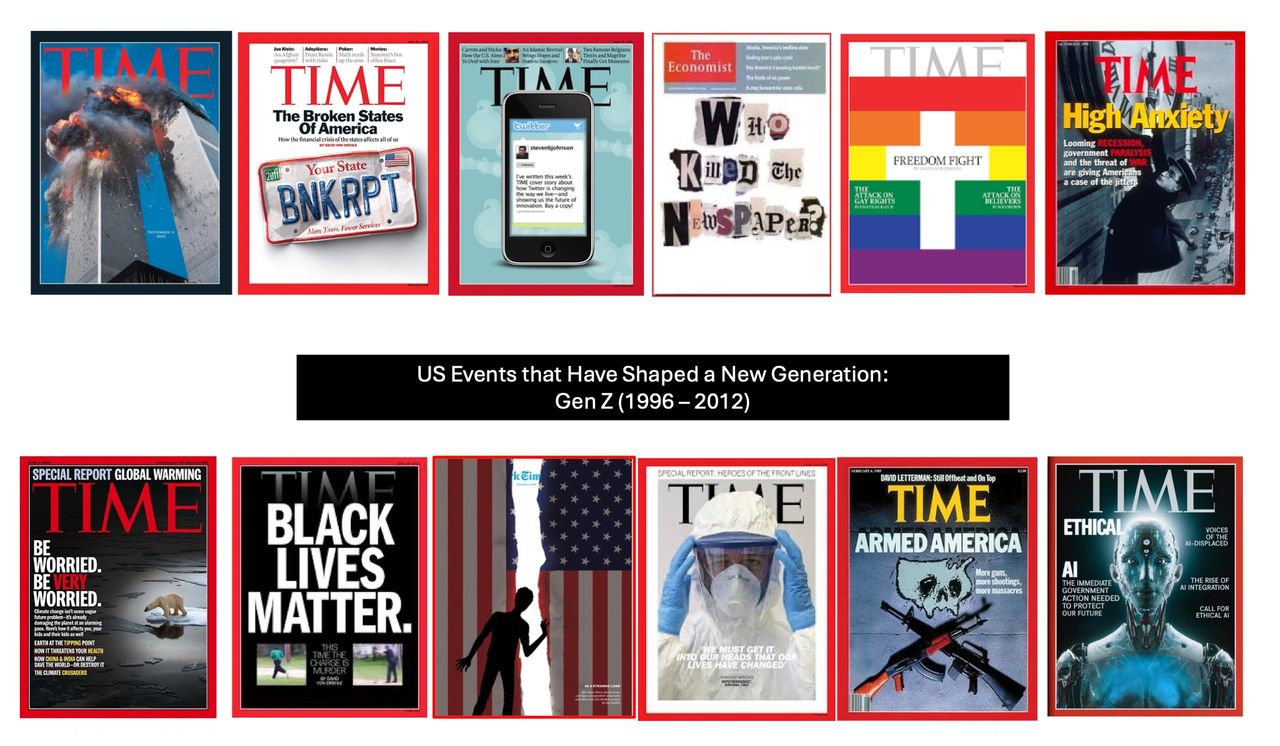
Here's a historical look at the 12 defining events that shaped this generation.
1. 9/11 and the War on Terror.
Even those too young to remember lived in its aftermath - a world of heightened security, persistent fear, and global conflict.
2. The 2008 financial crisis made money personal.
Banks failed. Families lost homes. Kids watched their parents struggle, learning early that financial security can disappear overnight. This is why so many of them take a practical, no-nonsense approach to money.
3. They’ve never known a world without smartphones.
Instant connection, on-demand learning, and digital creation have always been at their fingertips - whether on TikTok, YouTube, or whatever platform comes next.
4. They’ve seen the planet burn.
Hurricane Katrina. Australia’s wildfires. California’s orange skies. For Gen Z, climate change is real and personal. That’s why voices like Greta Thunberg’s resonate, reflecting their fear for the planet’s future.
5. An increasingly divided America.
They watched social media amplify both truth and misinformation, as symbols and ideologies fueled growing tensions - culminating in the events of January 6, 2021.

6. School shootings shaped their sense of safety.
From Sandy Hook to Parkland, this generation grew up practicing active shooter drills between classes - always aware that their school could be next. In response, many took to the streets with March for Our Lives, demanding change and security.
7. COVID-19 upended their lives.
Proms vanished, graduations went virtual, and bedrooms became classrooms. In isolation, many confronted anxiety and depression while learning new ways to connect with people and the world through screens.
8. Black Lives Matter became a global movement.
Gen Z used social media to turn a hashtag into real-world action. Their phones became tools for documenting injustice, organizing protests, and broadcasting truth directly to millions.
9. AI went from science fiction to reality.
With automation threatening traditional jobs, Gen Z turned to untraditional career paths – side hustles, skilled trades and freelancing - fueling the rise of the gig economy.
10. They saw same-sex marriage become law in 2015.
They grew up with conversations about pronouns and gender expression, shaping a more inclusive and fluid generation.
11. Old media crumbled as new voices emerged.
They don’t channel-surf; they stream. They don’t watch TV shows; they follow creators on YouTube and TikTok. Every phone is a broadcasting studio, turning each user into a potential star or media brand.
12. Mental health became mainstream.
Celebrities like Selena Gomez and Justin Bieber shared their struggles, making therapy normal and self-care essential for a generation unafraid to talk about anxiety, depression, and trauma.
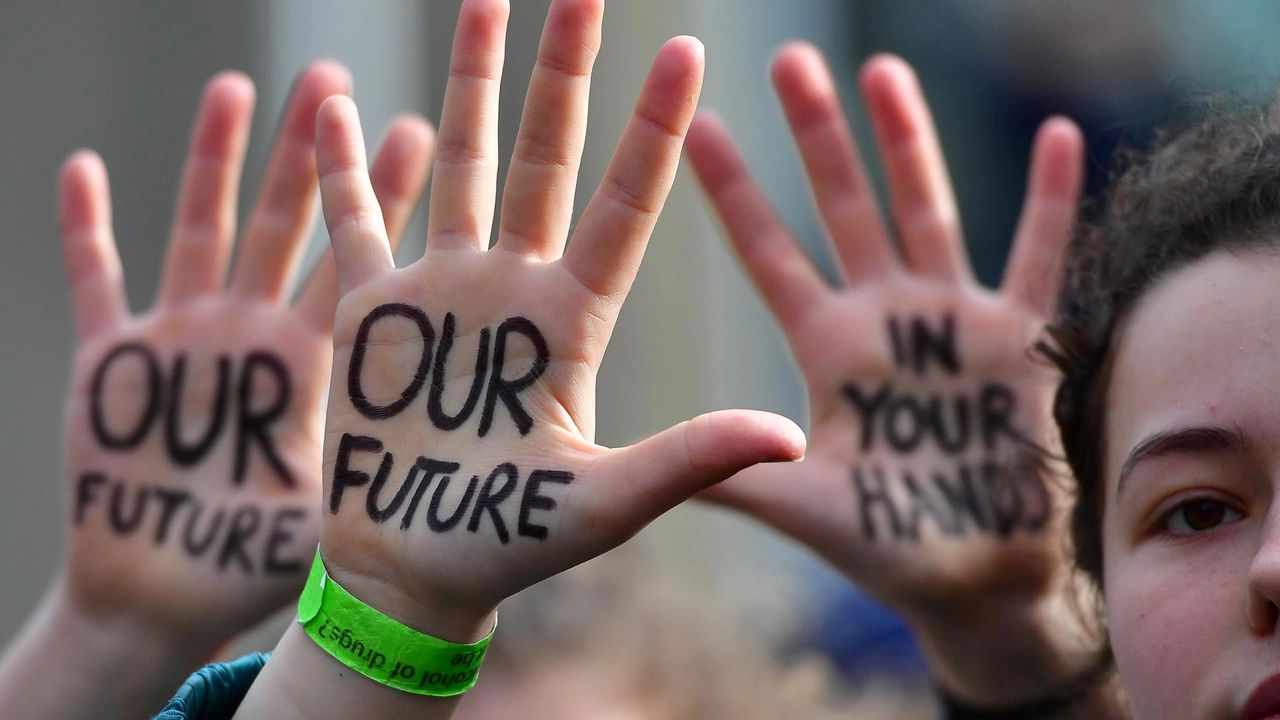
Where Gen Z Leads, the Future Follows
At roughly 69 million in the U.S., Gen Z is the most racially and ethnically diverse generation in American history. It is also the most digital. And the most resilient having seen a great deal of tragedy in their lifetimes.
They’re reshaping everything from how we communicate with one another to consumer behavior and even workplace culture. Current estimates suggest they already command over $360 billion in national spending power, while others project that by 2030, their global spending power could exceed $12 trillion.
Given these numbers and Gen Z’s tremendous influence on business, culture, and trends, failing to understand their values and experiences could put your brand at serious risk.
Related Reading
Share this post: